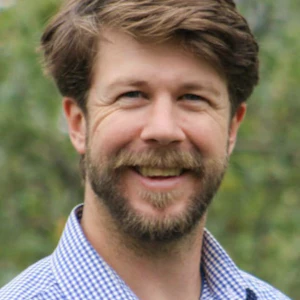
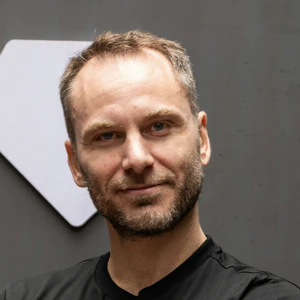
Adam Saunders
Co-Founder and Special Projects Director
Columbia Center for Urban Agriculture
Bitcoin 2026
Speaker
////////////////////
You could describe me as a three-way cross between the charismatic you-tube engineering educator Mark Rober, the serial entrepreneur / systems thinker Elon Musk, and tree planting / real estate developer Johnny Appleseed.
I live in mid-Missouri in the college town of Columbia, MO. I work throughout the region on farms and forests wearing a range of hats in what I call “Green Collar Jobs”. These include those working directly with plants and animals, as well as work done through value added processing. Direct work I am engaged with includes apple orchards, regenerative farming, forest management, and raising livestock. Similarly value added work includes pressing cider, making medically tailored meals, sawmiling logs into lumber, doing meat processing, and construction with simple regional materials; wood, straw, clay, and rock.
Like all “Green Collar Jobs”, these value chains have an inherent seasonal flow and are generally labor intensive. Blending work across multiple sectors can ballast out the highs and lows of the season to help optimize work flow, support labor organizing, and provide a fun blend of real, on the ground jobs that fit the “gig economy”. The current homestead movement is smack in the middle of this space with people craving meaningful work and simplicity to balance out the speed of the modern digital world.
Hands-on education is one of the key underpennings of this vision. In 2008 I co-founded Columbia Center for Urban Agriculture (CCUA), a 501c3 educational non-profit. We’ve since grown to a staff of 30 providing a wide range of programs in our community. These include growing produce for the local food pantry, mentoring low-income families in their home gardens, training farmers/gardeners, and operating a commercial kitchen as part of a regional food hub. My role has evolved over the years from gardener, to fundraiser, to public-private campaign manager, to now, a part time special projects director. My current role allows me to develop strategic partnerships across sectors that bring out the win-win partnerships that people have when working closer to their food supply.
I also farm part-time helping landowners establish estate apple orchards and implement regenerative farming and forestry projects. This model of farming re-sets the traditional risk-bearing dynamics in farming by helping create profitable homesteads, and creating quality jobs for people across a range of experience. The current trends of farmland fragmentation and sophistication of regional food systems supports this innovative business strategy.
I live in mid-Missouri in the college town of Columbia, MO. I work throughout the region on farms and forests wearing a range of hats in what I call “Green Collar Jobs”. These include those working directly with plants and animals, as well as work done through value added processing. Direct work I am engaged with includes apple orchards, regenerative farming, forest management, and raising livestock. Similarly value added work includes pressing cider, making medically tailored meals, sawmiling logs into lumber, doing meat processing, and construction with simple regional materials; wood, straw, clay, and rock.
Like all “Green Collar Jobs”, these value chains have an inherent seasonal flow and are generally labor intensive. Blending work across multiple sectors can ballast out the highs and lows of the season to help optimize work flow, support labor organizing, and provide a fun blend of real, on the ground jobs that fit the “gig economy”. The current homestead movement is smack in the middle of this space with people craving meaningful work and simplicity to balance out the speed of the modern digital world.
Hands-on education is one of the key underpennings of this vision. In 2008 I co-founded Columbia Center for Urban Agriculture (CCUA), a 501c3 educational non-profit. We’ve since grown to a staff of 30 providing a wide range of programs in our community. These include growing produce for the local food pantry, mentoring low-income families in their home gardens, training farmers/gardeners, and operating a commercial kitchen as part of a regional food hub. My role has evolved over the years from gardener, to fundraiser, to public-private campaign manager, to now, a part time special projects director. My current role allows me to develop strategic partnerships across sectors that bring out the win-win partnerships that people have when working closer to their food supply.
I also farm part-time helping landowners establish estate apple orchards and implement regenerative farming and forestry projects. This model of farming re-sets the traditional risk-bearing dynamics in farming by helping create profitable homesteads, and creating quality jobs for people across a range of experience. The current trends of farmland fragmentation and sophistication of regional food systems supports this innovative business strategy.
Bitcoin 2026
Sessions
////////////////////
4:30 pm
Wed
Wednesday, April 29
4:30 pm
-
5:00 pm
Fix the Money, Fix the Food, Fix the World
Genesis Stage

Tom Taber
Moderator
Director of Executive Outreach
The Beef Initiative
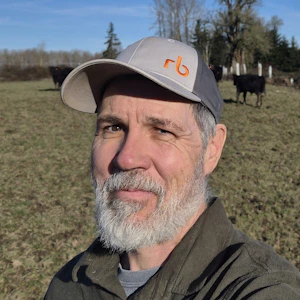
Eric Thompson
Regenerative Farm Designer
Great Malus Beef
Adam Saunders
Co-Founder and Special Projects Director
Columbia Center for Urban Agriculture

Tony Beck
Co-Founder & CEO
Beck & Bulow
Fix the Money, Fix the Food, Fix the World
Wednesday, April 29
4:30 pm
Genesis Stage
Two systems that shape everyday life: money and food. How does Bitcoin, local agriculture, and sustainable production put power back in the hands of the people?
Speakers/Moderators
Tom Taber
Moderator
Director of Executive Outreach
The Beef Initiative
Tom Taber
Director of Executive Outreach
The Beef Initiative
Tom has traveled the globe attending Bitcoin events and assisting with freedom focused projects. He is the Bitcoin and Nostr ambassador of The Beef Initiative. He focuses on building grassroots support and boots-on-the-ground projects for independent ranchers around the world.
Eric Thompson
Regenerative Farm Designer
Great Malus Beef
Eric Thompson
Regenerative Farm Designer
Great Malus Beef
Eric is a designer and builder of regenerative farm systems, and practices on his 200 acre homestead farm in Rainier, OR. His systems use cattle, pigs, trees, earthworks, and energy systems to grow fertility and productivity. Designs are made with a multi-generation mindset, with goals of implementing natural systems to create increasing abundance with decreasing inputs.
Eric operates Great Malus Beef to raise grass finished beef as a homestead staple food, and he markets the surplus by the quarter for local purchase and delivery. He has accepted Bitcoin payment since 2019, and is active within the Portland BitDevs community.
Eric evangelizes using Bitcoin as local currency. He helps beginners achieve their first transactions, and persuades investors to also move more of their daily financial life into Bitcoin.
Eric operates Great Malus Beef to raise grass finished beef as a homestead staple food, and he markets the surplus by the quarter for local purchase and delivery. He has accepted Bitcoin payment since 2019, and is active within the Portland BitDevs community.
Eric evangelizes using Bitcoin as local currency. He helps beginners achieve their first transactions, and persuades investors to also move more of their daily financial life into Bitcoin.
Adam Saunders
Co-Founder and Special Projects Director
Columbia Center for Urban Agriculture
Adam Saunders
Co-Founder and Special Projects Director
Columbia Center for Urban Agriculture
You could describe me as a three-way cross between the charismatic you-tube engineering educator Mark Rober, the serial entrepreneur / systems thinker Elon Musk, and tree planting / real estate developer Johnny Appleseed.
I live in mid-Missouri in the college town of Columbia, MO. I work throughout the region on farms and forests wearing a range of hats in what I call “Green Collar Jobs”. These include those working directly with plants and animals, as well as work done through value added processing. Direct work I am engaged with includes apple orchards, regenerative farming, forest management, and raising livestock. Similarly value added work includes pressing cider, making medically tailored meals, sawmiling logs into lumber, doing meat processing, and construction with simple regional materials; wood, straw, clay, and rock.
Like all “Green Collar Jobs”, these value chains have an inherent seasonal flow and are generally labor intensive. Blending work across multiple sectors can ballast out the highs and lows of the season to help optimize work flow, support labor organizing, and provide a fun blend of real, on the ground jobs that fit the “gig economy”. The current homestead movement is smack in the middle of this space with people craving meaningful work and simplicity to balance out the speed of the modern digital world.
Hands-on education is one of the key underpennings of this vision. In 2008 I co-founded Columbia Center for Urban Agriculture (CCUA), a 501c3 educational non-profit. We’ve since grown to a staff of 30 providing a wide range of programs in our community. These include growing produce for the local food pantry, mentoring low-income families in their home gardens, training farmers/gardeners, and operating a commercial kitchen as part of a regional food hub. My role has evolved over the years from gardener, to fundraiser, to public-private campaign manager, to now, a part time special projects director. My current role allows me to develop strategic partnerships across sectors that bring out the win-win partnerships that people have when working closer to their food supply.
I also farm part-time helping landowners establish estate apple orchards and implement regenerative farming and forestry projects. This model of farming re-sets the traditional risk-bearing dynamics in farming by helping create profitable homesteads, and creating quality jobs for people across a range of experience. The current trends of farmland fragmentation and sophistication of regional food systems supports this innovative business strategy.
I live in mid-Missouri in the college town of Columbia, MO. I work throughout the region on farms and forests wearing a range of hats in what I call “Green Collar Jobs”. These include those working directly with plants and animals, as well as work done through value added processing. Direct work I am engaged with includes apple orchards, regenerative farming, forest management, and raising livestock. Similarly value added work includes pressing cider, making medically tailored meals, sawmiling logs into lumber, doing meat processing, and construction with simple regional materials; wood, straw, clay, and rock.
Like all “Green Collar Jobs”, these value chains have an inherent seasonal flow and are generally labor intensive. Blending work across multiple sectors can ballast out the highs and lows of the season to help optimize work flow, support labor organizing, and provide a fun blend of real, on the ground jobs that fit the “gig economy”. The current homestead movement is smack in the middle of this space with people craving meaningful work and simplicity to balance out the speed of the modern digital world.
Hands-on education is one of the key underpennings of this vision. In 2008 I co-founded Columbia Center for Urban Agriculture (CCUA), a 501c3 educational non-profit. We’ve since grown to a staff of 30 providing a wide range of programs in our community. These include growing produce for the local food pantry, mentoring low-income families in their home gardens, training farmers/gardeners, and operating a commercial kitchen as part of a regional food hub. My role has evolved over the years from gardener, to fundraiser, to public-private campaign manager, to now, a part time special projects director. My current role allows me to develop strategic partnerships across sectors that bring out the win-win partnerships that people have when working closer to their food supply.
I also farm part-time helping landowners establish estate apple orchards and implement regenerative farming and forestry projects. This model of farming re-sets the traditional risk-bearing dynamics in farming by helping create profitable homesteads, and creating quality jobs for people across a range of experience. The current trends of farmland fragmentation and sophistication of regional food systems supports this innovative business strategy.
Tony Beck
Co-Founder & CEO
Beck & Bulow
Tony Beck
Co-Founder & CEO
Beck & Bulow
Tony Beck — Co-Founder and CEO, Beck & Bulow. Pioneer in Bitcoin-native business adoption, including BTC payments, treasury reserves, and employee Bitcoin 401(k)s. Champion of real food, real money, and real people, hosting events and retreats at the Beck & Bulow Ranch in Santa Fe, New Mexico.
Other
Speakers
////////////////////
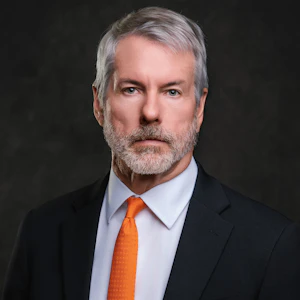
Michael Saylor
Founder & Executive Chairman
Strategy
Michael Saylor
Founder & Executive Chairman
Strategy
Michael Saylor is the Founder & Executive Chairman of Strategy (MSTR), a publicly traded business intelligence firm & holder of more than ₿700,000 that he founded in 1989. He is also the founder of Alarm.com(ALRM), named inventor on 48+ patents, & author of the book “The Mobile Wave”. He founded the Saylor Academy (saylor.org), a non-profit that has provided free education to over 2 million students. He is an advocate for the Bitcoin Standard (hope.com) with dual degrees from MIT in Aerospace Engineering & History of Science. He posts his views on X @saylor and his website Michael.com. His 4 hour interview with Lex Fridman summarizes his thoughts on Bitcoin, Inflation, and the Future of Money with ~11 million views on YouTube.
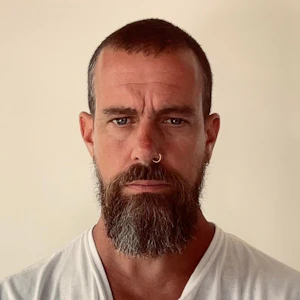
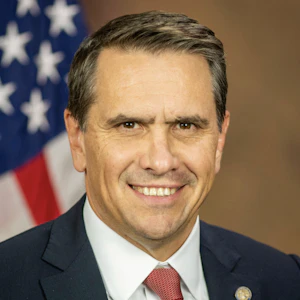
Todd Blanche
Acting Attorney General
U.S. Department of Justice
Todd Blanche
Acting Attorney General
U.S. Department of Justice
Biography of Deputy Attorney General Todd Blanche
The Honorable Todd Blanche is the 40th Deputy Attorney General of the United States, overseeing the work of the 115,000 dedicated employees who fulfill the Department of Justice’s mission at Main Justice, the FBI, DEA, U.S. Marshals, ATF, and 93 U.S. Attorney’s Offices.
Todd began his career at the Department where he served for over fifteen years in a variety of capacities, including as a contractor, a paralegal in the Criminal Division, and at the United States Attorney’s office for the Southern District of New York where he eventually became an AUSA and later a supervisor.
After leaving the Department, Todd worked as a criminal defense attorney that included representing President Donald Trump in three of the criminal cases brought against him in 2023 and 2024.
Following President Trump’s historic return to the White House, the President appointed Todd to work alongside Attorney General Pam Bondi to make America safe again. At the DOJ, Todd is working tirelessly to implement President Trump’s priorities that include confronting illegal protecting American businesses from fraud.
Todd has been married to his wonderful wife Kristine for nearly thirty years, is a father and grandfather.
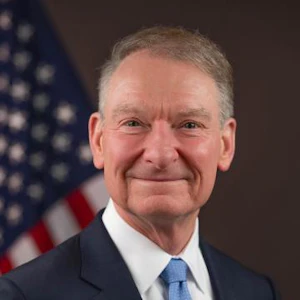
Paul Atkins
Chairman
Securities and Exchange Commission
Paul Atkins
Chairman
Securities and Exchange Commission
Paul S. Atkins was sworn into office as the 34th Chairman of the Securities and Exchange Commission on April 21, 2025, after being nominated by President Donald J. Trump on January 20, 2025, and confirmed by the U.S. Senate on April 9, 2025.
Prior to returning to the SEC, Chairman Atkins was most recently chief executive of Patomak Global Partners, a company he founded in 2009. Chairman Atkins helped lead efforts to develop best practices for the digital asset sector. He served as an independent director and non-executive chairman of the board of BATS Global Markets, Inc. from 2012 to 2015.
Chairman Atkins was appointed by President George W. Bush to serve as a Commissioner of the SEC from 2002 to 2008. During his tenure, he advocated for transparency, consistency, and the use of cost-benefit analysis at the agency. Chairman Atkins also represented the SEC at meetings of the President’s Working Group on Financial Markets and the U.S.-EU Transatlantic Economic Council. From 2009 to 2010, he was appointed a member of the Congressional Oversight Panel for the Troubled Asset Relief Program.
Before serving as an SEC Commissioner, Chairman Atkins was a consultant on securities and investment management industry matters, especially regarding issues of strategy, regulatory compliance, risk management, new product development, and organizational control.
From 1990 to 1994, Chairman Atkins served on the staff of two chairmen of the SEC, Richard C. Breeden and Arthur Levitt, ultimately as chief of staff and counselor, respectively. He received the SEC’s 1992 Law and Policy Award for work regarding corporate governance matters.
Chairman Atkins began his career as a lawyer in New York, focusing on a wide range of corporate transactions for U.S. and foreign clients, including public and private securities offerings and mergers and acquisitions. He was resident for 2½ years in his firm's Paris office and admitted as conseil juridique in France.
A member of the New York and Florida bars, Chairman Atkins received his J.D. from Vanderbilt University School of Law in 1983 and was Senior Student Writing Editor of the Vanderbilt Law Review. He received his A.B., Phi Beta Kappa, from Wofford College in 1980.
Originally from Lillington, North Carolina, Chairman Atkins grew up in Tampa, Florida. He and his wife Sarah have three sons.
Prior to returning to the SEC, Chairman Atkins was most recently chief executive of Patomak Global Partners, a company he founded in 2009. Chairman Atkins helped lead efforts to develop best practices for the digital asset sector. He served as an independent director and non-executive chairman of the board of BATS Global Markets, Inc. from 2012 to 2015.
Chairman Atkins was appointed by President George W. Bush to serve as a Commissioner of the SEC from 2002 to 2008. During his tenure, he advocated for transparency, consistency, and the use of cost-benefit analysis at the agency. Chairman Atkins also represented the SEC at meetings of the President’s Working Group on Financial Markets and the U.S.-EU Transatlantic Economic Council. From 2009 to 2010, he was appointed a member of the Congressional Oversight Panel for the Troubled Asset Relief Program.
Before serving as an SEC Commissioner, Chairman Atkins was a consultant on securities and investment management industry matters, especially regarding issues of strategy, regulatory compliance, risk management, new product development, and organizational control.
From 1990 to 1994, Chairman Atkins served on the staff of two chairmen of the SEC, Richard C. Breeden and Arthur Levitt, ultimately as chief of staff and counselor, respectively. He received the SEC’s 1992 Law and Policy Award for work regarding corporate governance matters.
Chairman Atkins began his career as a lawyer in New York, focusing on a wide range of corporate transactions for U.S. and foreign clients, including public and private securities offerings and mergers and acquisitions. He was resident for 2½ years in his firm's Paris office and admitted as conseil juridique in France.
A member of the New York and Florida bars, Chairman Atkins received his J.D. from Vanderbilt University School of Law in 1983 and was Senior Student Writing Editor of the Vanderbilt Law Review. He received his A.B., Phi Beta Kappa, from Wofford College in 1980.
Originally from Lillington, North Carolina, Chairman Atkins grew up in Tampa, Florida. He and his wife Sarah have three sons.

Mike Selig
Chairman
Commodity Futures Trading Commission
Mike Selig
Chairman
Commodity Futures Trading Commission
Michael S. Selig was sworn in on December 22, 2025 to serve as the 16th Chairman of the Commodity Futures Trading Commission. Chairman Selig was nominated by President Donald J. Trump to the post on October 27, 2025, and confirmed by the U.S. Senate on December 18, 2025.
Chairman Selig brings to the role deep public and private sector experience working with a wide range of stakeholders across agriculture, energy, financial, and digital asset industries, which rely upon and operate in CFTC-regulated markets.
Prior to his leadership at the CFTC, Chairman Selig most recently served as chief counsel of the Securities and Exchange Commission’s Crypto Task Force and senior advisor to SEC Chairman Paul S. Atkins. In this role, Chairman Selig helped to develop a clear regulatory framework for digital asset securities markets, harmonize the SEC and CFTC regulatory regimes, modernize the agency’s rules to reflect new and emerging technologies, and put an end to regulation by enforcement. He also participated in the President’s Working Group on Digital Asset Markets and contributed to its report on “Strengthening American Leadership in Digital Financial Technology.”
Prior to government service, Chairman Selig was a partner at an international law firm, focusing on derivatives and securities regulatory matters. During his years in private practice, he represented a broad range of clients subject to regulation by the CFTC, including commercial end users, futures commission merchants, commodity trading advisors, swap dealers, designated contract markets, derivatives clearing organizations, and digital asset firms. Chairman Selig advised clients on compliance with the Commodity Exchange Act and the CFTC’s rules and regulations thereunder, including in connection with registration applications and obligations, enforcement matters, and complex transactions.
Chairman Selig earned his law degree from The George Washington University Law School and was articles editor of The George Washington Law Review. He received his undergraduate degree from Florida State University.
Chairman Selig brings to the role deep public and private sector experience working with a wide range of stakeholders across agriculture, energy, financial, and digital asset industries, which rely upon and operate in CFTC-regulated markets.
Prior to his leadership at the CFTC, Chairman Selig most recently served as chief counsel of the Securities and Exchange Commission’s Crypto Task Force and senior advisor to SEC Chairman Paul S. Atkins. In this role, Chairman Selig helped to develop a clear regulatory framework for digital asset securities markets, harmonize the SEC and CFTC regulatory regimes, modernize the agency’s rules to reflect new and emerging technologies, and put an end to regulation by enforcement. He also participated in the President’s Working Group on Digital Asset Markets and contributed to its report on “Strengthening American Leadership in Digital Financial Technology.”
Prior to government service, Chairman Selig was a partner at an international law firm, focusing on derivatives and securities regulatory matters. During his years in private practice, he represented a broad range of clients subject to regulation by the CFTC, including commercial end users, futures commission merchants, commodity trading advisors, swap dealers, designated contract markets, derivatives clearing organizations, and digital asset firms. Chairman Selig advised clients on compliance with the Commodity Exchange Act and the CFTC’s rules and regulations thereunder, including in connection with registration applications and obligations, enforcement matters, and complex transactions.
Chairman Selig earned his law degree from The George Washington University Law School and was articles editor of The George Washington Law Review. He received his undergraduate degree from Florida State University.
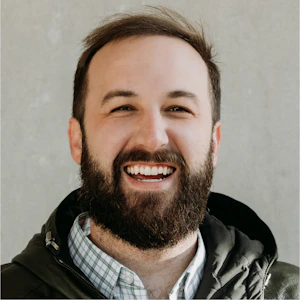
David Bailey
CEO & Chairman
Nakamoto Inc.
David Bailey
CEO & Chairman
Nakamoto Inc.
David Bailey is the CEO and Chairman of Nakamoto, a Bitcoin company he took public through a reverse merger with KindlyMD. Nakamoto raised one of the largest PIPE financings in digital asset history. A Bitcoin advocate since 2012, David founded BTC Inc. – home to Bitcoin Magazine, The Bitcoin Conference, and Bitcoin for Corporations, and co-founded UTXO Management, an institutional hedge fund focused on Bitcoin and digital assets. In 2024, David led a political engagement campaign that brought Bitcoin to the forefront of the U.S. presidential election advising President Donald Trump’s team on Bitcoin policy. David also serves on the boards of BTC Inc., the Bitcoin Policy Institute, and Moon Inc (HK Asia Holdings Limited).

Eric Trump
Co-Founder & Chief Strategy Officer
American Bitcoin
Eric Trump
Co-Founder & Chief Strategy Officer
American Bitcoin
Eric Trump is Co-Founder and Chief Strategy Officer of American Bitcoin Corp (Nasdaq: ABTC). In this role, he defines the company’s strategic direction and growth priorities, guiding its mission to build America’s Bitcoin infrastructure backbone. He brings extensive experience across capital markets, large-scale commercial development, and strategic growth, and is deeply committed to advancing the adoption of decentralized financial systems in ways that strengthen American economic and technological leadership.
Mr. Trump also serves as Executive Vice President of The Trump Organization, where he oversees the global management and operations of the Trump family’s extensive real estate portfolio. This includes Trump Hotels, Trump Golf, commercial and residential real estate, Trump Estates, and Trump Winery. Known for his hands-on leadership and strong market instincts, he has played a key role in expanding the company’s presence across major U.S. and international markets.
A globally recognized business leader and public figure, Mr. Trump is a prominent advocate for Bitcoin and decentralized finance. He is a co-founder of World Liberty Financial, a decentralized finance (DeFi) platform, and serves on the Board of Advisors of Metaplanet, Japan’s largest corporate holder of Bitcoin.
Beyond his business activities, Mr. Trump has helped raise more than $50 million for St. Jude Children’s Research Hospital in the fight against pediatric cancer, a philanthropic mission he began at age 21.
Mr. Trump earned a degree in Finance and Management from Georgetown University. He currently resides in Florida with his wife, Lara, and their two children. He is also the author of Under Siege, his memoir published in October 2025.
Mr. Trump also serves as Executive Vice President of The Trump Organization, where he oversees the global management and operations of the Trump family’s extensive real estate portfolio. This includes Trump Hotels, Trump Golf, commercial and residential real estate, Trump Estates, and Trump Winery. Known for his hands-on leadership and strong market instincts, he has played a key role in expanding the company’s presence across major U.S. and international markets.
A globally recognized business leader and public figure, Mr. Trump is a prominent advocate for Bitcoin and decentralized finance. He is a co-founder of World Liberty Financial, a decentralized finance (DeFi) platform, and serves on the Board of Advisors of Metaplanet, Japan’s largest corporate holder of Bitcoin.
Beyond his business activities, Mr. Trump has helped raise more than $50 million for St. Jude Children’s Research Hospital in the fight against pediatric cancer, a philanthropic mission he began at age 21.
Mr. Trump earned a degree in Finance and Management from Georgetown University. He currently resides in Florida with his wife, Lara, and their two children. He is also the author of Under Siege, his memoir published in October 2025.
Jack Mallers
Founder, CEO Strike | Co-Founder, CEO Twenty One
Strike / Twenty One
Jack Mallers
Founder, CEO Strike | Co-Founder, CEO Twenty One
Strike / Twenty One
Jack Mallers serves as the Chief Executive Officer, President and a director of Twenty One Capital. He has served in these capacities since December 2025. Jack is a visionary entrepreneur and one of Bitcoin's most influential advocates, shaping its perception and furthering its adoption by institutions, corporations and governments. As the Founder & CEO of Strike, he built one of the world's leading Bitcoin financial services company's, pioneering Bitcoin brokerage infrastructure and Bitcoin credit products. His leadership was instrumental in El Salvador's historic decision to become the first nation to adopt Bitcoin as an official currency, a major milestone in sovereign Bitcoin policy. Beyond Strike, Jack is a key advocate for Bitcoin's integration into global finance, engaging with institutional investors, policymakers and enterprises to accelerate its adoption as the world's premier monetary asset. Now, as Co-Founder & Chief Executive Officer of Twenty One, he is building the first true Bitcoin-native public company redefining corporate treasury strategy for the Bitcoin era.
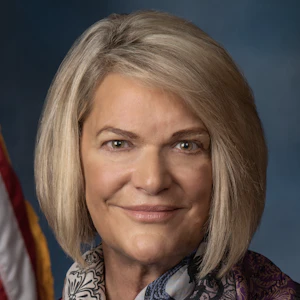
Cynthia Lummis
Senator
U.S. Senate
Cynthia Lummis
Senator
U.S. Senate
U.S. Senator Cynthia M. Lummis has been Bitcoin's most consistent and consequential champion in the United States Senate.
As the first-ever Chair of the Senate Banking Subcommittee on Digital Assets, Senator Lummis is the architect of the legislative framework shaping America's digital asset future. She introduced the landmark Lummis-Gillibrand Responsible Financial Innovation Act, the first comprehensive bipartisan crypto regulatory framework in Senate history. She co-authored the GENIUS Act — the first federal stablecoin law ever enacted — and introduced the BITCOIN Act, which would establish a U.S. strategic Bitcoin reserve of up to one million BTC. She is leading the Clarity Act, which will bring long-overdue regulatory certainty to the digital asset industry. She has also championed digital asset tax reform, including a de minimis exemption for small transactions and equal tax treatment for miners and stakers.
Known as Congress' "Crypto Queen," Senator Lummis represents Wyoming — a state she has helped build into one of the most digital asset-friendly regulatory environments in the nation. Before serving in the Senate, she served 14 years in the Wyoming Legislature, eight years as Wyoming State Treasurer, and eight years in the U.S. House. She is a three-time graduate of the University of Wyoming.
Her work represents a crucial bridge between traditional financial systems and the emerging digital economy, ensuring America leads the world in financial innovation while protecting the individual freedoms that define it.
As the first-ever Chair of the Senate Banking Subcommittee on Digital Assets, Senator Lummis is the architect of the legislative framework shaping America's digital asset future. She introduced the landmark Lummis-Gillibrand Responsible Financial Innovation Act, the first comprehensive bipartisan crypto regulatory framework in Senate history. She co-authored the GENIUS Act — the first federal stablecoin law ever enacted — and introduced the BITCOIN Act, which would establish a U.S. strategic Bitcoin reserve of up to one million BTC. She is leading the Clarity Act, which will bring long-overdue regulatory certainty to the digital asset industry. She has also championed digital asset tax reform, including a de minimis exemption for small transactions and equal tax treatment for miners and stakers.
Known as Congress' "Crypto Queen," Senator Lummis represents Wyoming — a state she has helped build into one of the most digital asset-friendly regulatory environments in the nation. Before serving in the Senate, she served 14 years in the Wyoming Legislature, eight years as Wyoming State Treasurer, and eight years in the U.S. House. She is a three-time graduate of the University of Wyoming.
Her work represents a crucial bridge between traditional financial systems and the emerging digital economy, ensuring America leads the world in financial innovation while protecting the individual freedoms that define it.
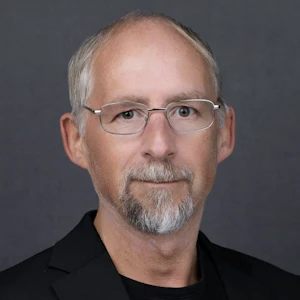
Adam Back
Co-founder & CEO
Blockstream
Adam Back
Co-founder & CEO
Blockstream
Co-founder and CEO of Blockstream, Dr. Adam Back, invented Hashcash, the proof-of-work algorithm cited by Satoshi Nakamoto in the Bitcoin whitepaper, as the future basis for its mining function. Throughout his two-decade-long vocation as an applied cryptographer and security architect, he has held senior roles with a number of technology companies, including Microsoft, EMC, PI, VMware, and Zero-Knowledge Systems, as well as advised many more companies on cryptography and peer-to-peer finance. Dr. Adam Back holds a computer science Ph.D. in distributed systems from the University of Exeter.
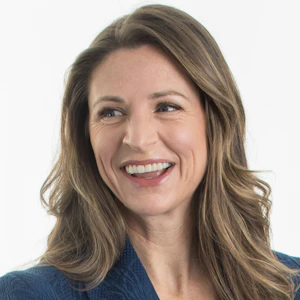
Amy Oldenburg
Head of Digital Asset Strategy
Morgan Stanley
Amy Oldenburg
Head of Digital Asset Strategy
Morgan Stanley
Amy is the Head of Digital Asset Strategy at Morgan Stanley, where she is focusing on building and connecting the Firm's digital asset capabilities, engaging with digital industry consortiums and collaborating closely with the various business units on this important strategic initiative to serve our clients. Most recently Amy was the Head of Emerging Markets Equity at Morgan Stanley Investment Management. She joined Morgan Stanley in 2001 and has over 25 years of finance experience including her pervious roles as Chief Operating Officer of Emerging Markets Equity and held roles in equity and FX trading, portfolio management support, and product development and strategy after starting her career in internet consulting. Amy received a BA in business administration with a concentration in finance from Fordham University and a MS in applied psychology from University of Southern California. She currently sits on Morgan Stanley's Firmwide Innovation Council. Outside the firm, Amy is an independent director of Abhi, a fintech company based in the UAE. She is an active contributor and speaker in the global digital asset community with specific interests in the use of digital assets in the emerging world, asset tokenization, and emerging business models.
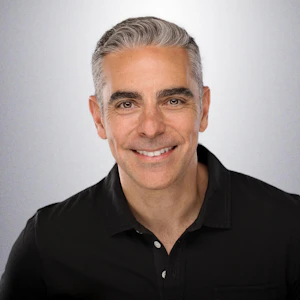
David Marcus
CEO
Lightspark
David Marcus
CEO
Lightspark
David is the CEO and co-founder of Lightspark. Most recently, he led all payments and crypto efforts on Meta/Facebook. In 2018, David started Diem (fka Libra). He joined Meta in 2014 to lead Messenger, which he took from under 200M monthly users to over 1.5B. Previously, he was PayPal’s President. A lifelong entrepreneur, David launched two companies in Europe and then founded mobile payments company Zong in Silicon Valley, which was acquired by PayPal in 2011.

Matt Schultz
CEO and Chairman
CleanSpark
Matt Schultz
CEO and Chairman
CleanSpark
Matt Schultz is co-founder, CEO and Chairman of CleanSpark (CLSK). Matt led CleanSpark from its early days as an alternative energy generator focused on converting biomass into energy using CleanSpark’s patented gasifier technology. He then transitioned CleanSpark into the renewable energy sector, helping to identify critical software that was used to deploy microgrids, most notably at Camp Pendleton. Matt has helped raise over a billion dollars in capital. His leadership has been instrumental in making CleanSpark one of the largest and most recognizable data center developers in North America.
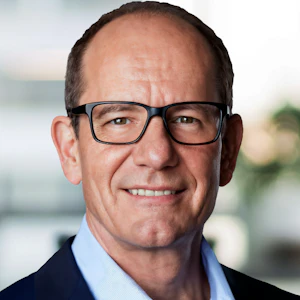
Fred Thiel
Chairman and CEO
MARA
Fred Thiel
Chairman and CEO
MARA
Fred Thiel is the Chairman of the Board of Directors and Chief Executive Officer of MARA Holdings, Inc. (NASDAQ: MARA) and has over 35 years of experience in the technology sector. Mr. Thiel is an acclaimed innovator and expert, having led organizations across diverse fields including digital assets, AI, semiconductors and enterprise software. Under his leadership, MARA has grown from a market cap of under $30 million to over $5 billion, becoming the largest in the space, with operations spanning four continents. MARA operates 15 data centers, including several across the United States, as well as locations in the UAE and Paraguay, boasting an energy capacity of 1700 MW. The company is fully integrated, enhancing its operational efficiency.
Throughout his career, Mr. Thiel has consistently driven rapid growth and created substantial shareholder value. Prior to MARA, Mr. Thiel served as the CEO of two other public companies, Local Corporation (NASDAQ: LOCM) and Lantronix, Inc (NASDAQ: LTRX). He has successfully raised billions in equity and debt through private and public offerings, led companies through IPOs, executed high-value exits to strategic and financial acquirers, and implemented effective M&A and roll-up strategies.
Mr. Thiel attended the Stockholm School of Economics and executive classes at Harvard Business School, and is fluent in English, Spanish, Swedish, and French. Mr. Thiel is the Chairman of the Board for Oden Technology, Inc. and is active in Young Presidents’ Organization where he has led initiatives in both the FinTech and Technology Networks.
A recognized voice in the industry, Fred frequently shares his insights on energy and technology with major media outlets like Bloomberg TV, CNBC, and FOX Business, contributing to vital discussions about the future of these sectors.
Throughout his career, Mr. Thiel has consistently driven rapid growth and created substantial shareholder value. Prior to MARA, Mr. Thiel served as the CEO of two other public companies, Local Corporation (NASDAQ: LOCM) and Lantronix, Inc (NASDAQ: LTRX). He has successfully raised billions in equity and debt through private and public offerings, led companies through IPOs, executed high-value exits to strategic and financial acquirers, and implemented effective M&A and roll-up strategies.
Mr. Thiel attended the Stockholm School of Economics and executive classes at Harvard Business School, and is fluent in English, Spanish, Swedish, and French. Mr. Thiel is the Chairman of the Board for Oden Technology, Inc. and is active in Young Presidents’ Organization where he has led initiatives in both the FinTech and Technology Networks.
A recognized voice in the industry, Fred frequently shares his insights on energy and technology with major media outlets like Bloomberg TV, CNBC, and FOX Business, contributing to vital discussions about the future of these sectors.
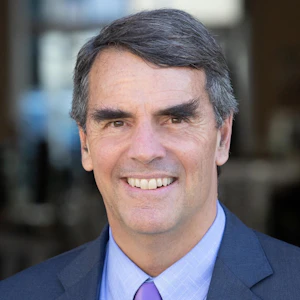
Tim Draper
Founder
Draper Associates
Tim Draper
Founder
Draper Associates
Tim Draper founded Draper Associates, DFJ and the Draper Venture Network, a global network of venture capital funds. Funded Coinbase, Baidu, Tesla, Skype, SpaceX, Twitch, Hotmail, Focus Media, Robinhood, Athenahealth, Box, Cruise Automation, Carta, Planet, PTC and 15 other unicorns from early/first rounds.
He is a supporter and global thought leader for entrepreneurs everywhere, and is a leading spokesperson for Bitcoin and decentralization, having won the Bitcoin US Marshall’s auction in 2014, invested in over 50 crypto companies, and led investments in Coinbase, Ledger, Tezos, and Bancor, among others.
He is a supporter and global thought leader for entrepreneurs everywhere, and is a leading spokesperson for Bitcoin and decentralization, having won the Bitcoin US Marshall’s auction in 2014, invested in over 50 crypto companies, and led investments in Coinbase, Ledger, Tezos, and Bancor, among others.
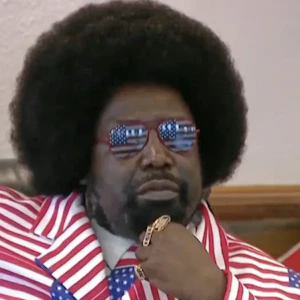
Afroman
Afroman
It's The Hungry Hustlin' American Dream, Bacc Slash African American Wet Dream, The Rocc N Roll Gangster, The Kenny Redd, Rest In Peace Of Reefer Rap, The Don Juan Of Dank, The Pimpin Ken Of The Ink Pen, The Money Q Green Of The Rap Scene. And Just Like Johnny Dollar, I'll Make Ya Girl Holla, Then Swalla. Afroman Is The Inventor Of The Hemp Pimp Cup. Afroman Is The Inventor Of The Corona Virus Cover. You Can Spit In Other Pimps Cup, But You Can't Spit In His. Afroman Is The First Musical Artist To Blow Up On The Internet. The Word Viral, Was Invented, To Describe, What Afromans Music Did Through The Computers And On The Internet. Afroman Went Viral, Before Viral, Was Viral. The 2015 Pimp Of The Year. The 2017 Hustler Of The Year. The 2019 Entertainer Of The Year. Then 3peat Bacc To Bacc Player Of The Year. Born In 1974, A Ghetto Resident, 2024 Afroman Ran For President. Afroman Is The Only Blacc Rapper In The World, That Doesn't Use The N Word. Afroman Is The Successful Failure. The Winning Loser. Afroman Gets Disrespect, Afroman Gets Dissed, But With Respect. OG Amsterdam AFRO Money Makin' Marijuana Smoking Mother Effing MAN Ya Know What I'm Saying? And YES. YES. When All The Buildings In New York City Fall, Afroman Will Be Standing Tall. This Aint No Joke. This Aint No Gimmicc. We Got To Get Paid After A Fake Police Raid, Monkey Pox, And Another Pandemic.